 Save to Pinterest
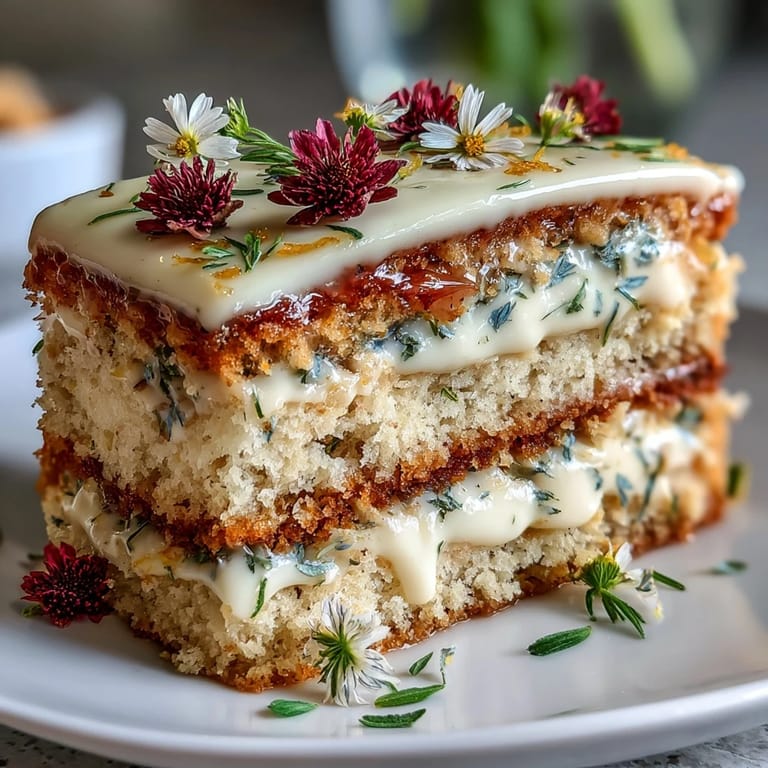
 If you ever catch the scent of lemon zest mingling with sugar, it might remind you—like it does me—of early spring days when sunlight finally feels warm again. I first made this Spring Cake with pressed edible flowers after spotting a jar of colorful blooms at the market, their petals so vivid I couldn't resist. The idea of baking a cake that celebrates the season, both in flavor and design, felt too joyous to pass up. Sometimes, making something beautiful is its own reason. This cake turned a simple afternoon into something unexpectedly enchanting.
The first time I baked it for a spring brunch, my kitchen smelled of butter and citrus, and the soundtrack was the gentle clang of pans and laughter from my friends. Spreading the yellow lemon curd between the layers felt almost therapeutic, and arranging the petals became a quiet moment of focus. We ended up lingering over dessert longer than planned—some just admiring, others snapping quick photos before digging in. It was one of the few times I watched my hard work go from oven to centerpiece. Sharing slices felt like gifting a bit of spring itself.
Ingredients
- Unsalted butter: Softening the butter before creaming ensures a tender crumb; I let it sit out until just pliable.
- Granulated sugar: Beating it thoroughly with the butter sets up a fluffy base.
- Eggs: Room temperature eggs blend easier and encourage higher rise—don't rush by using them cold.
- Vanilla extract: Adds gentle sweetness and rounds out the lemon flavor; good vanilla is worth it.
- All-purpose flour: Sifted flour yields a lighter sponge and avoids unwanted lumps.
- Baking powder: This is what lifts the cake; always check that it's fresh.
- Fine sea salt: Enhances overall flavor; don't skip or swap for coarse salt.
- Whole milk: Bringing milk to room temperature keeps the batter from curdling.
- Lemon zest: The zest perfumes the cake with lively citrus; a microplane helps get only the aromatic yellow.
- Eggs (for curd): Whisk gently and cook carefully for silky lemon curd.
- Granulated sugar (for curd): Balances the tartness of the lemon juice.
- Freshly squeezed lemon juice: Only fresh lemons provide the vibrant tang—bottled juice lacks the same punch.
- Lemon zest (for curd): Adds depth and sparks the lemon flavor even more.
- Unsalted butter (for curd): Stir in at the end for glossy, smooth curd.
- Heavy cream: Chilled cream whips into stiff peaks quickly.
- Powdered sugar: Sweetens the whipped cream subtly, without any graininess.
- Vanilla extract (for cream): A little vanilla in whipped cream ties in beautifully with the cake layers.
- Pressed edible flowers: Choose pansies, violets, nasturtiums, or organic rose petals; make sure they're truly edible and pesticide-free.
Tired of Takeout? 🥡
Get 10 meals you can make faster than delivery arrives. Seriously.
One email. No spam. Unsubscribe anytime.
Instructions
- Set up your pans:
- Preheat the oven to 350°F and line your cake pans—parchment saves you from sticking disasters.
- Cream and combine:
- Mix softened butter and sugar until pale; listen for the rhythmic swish as you beat in eggs, vanilla, and lemon zest.
- Mix dry ingredients:
- Whisk flour, baking powder, and salt together and alternate adding them with milk—the batter should be smooth but not overworked.
- Bake the sponge:
- Slide pans into the oven and bake until golden; the scent alone will tell you they're nearly done.
- Cool and turn out:
- Let cakes rest before turning them onto a wire rack and admire the springy texture as they cool.
- Make lemon curd:
- Whisk eggs, sugar, juice, and zest in a double boiler until thick; finish with butter for silky texture, then cool completely.
- Whip the cream:
- Start slow, then beat until stiff peaks form; tasting is mandatory.
- Layer the cake:
- Place one cake layer on a serving plate, spread lemon curd, and top with the second layer.
- Frost and decorate:
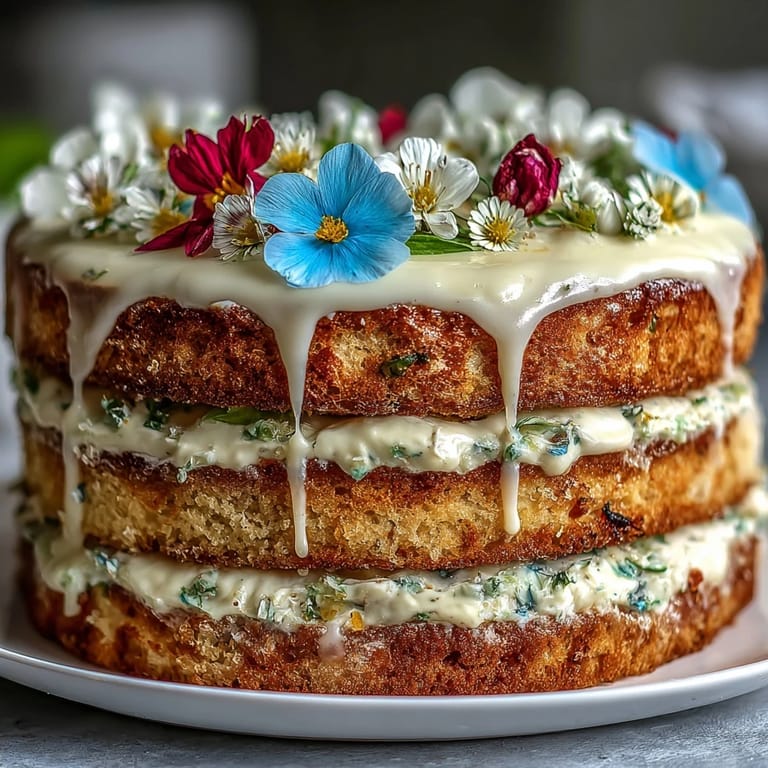
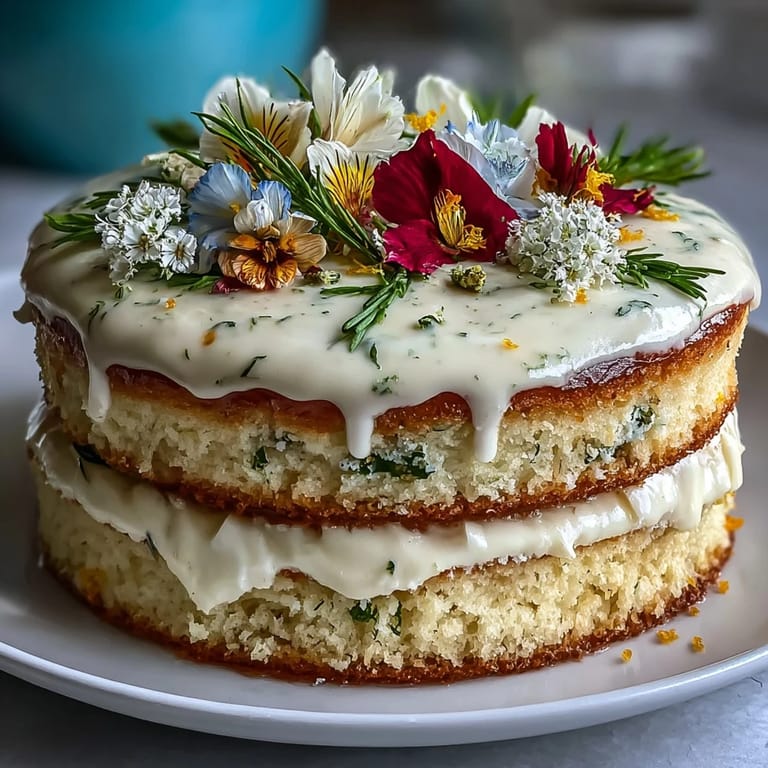
- Add whipped cream and press edible flowers gently across the surface—this is when the cake becomes art.
- Chill and serve:
- Refrigerate at least 30 minutes so everything sets; cutting the first slice is the best part.
 Save to Pinterest
 One spring evening, I brought this cake to a garden party—new friends, string lights, and fresh grass beneath our feet. The pressed flowers sparked conversations about favorite blooms and childhood gardens, and even those who swore they didn't care for sweets asked for seconds. That cake became more than dessert; it was a centerpiece for new memories.
How Edible Flowers Change the Game
Using edible flowers isn't just about aesthetics—they add gentle flavors and scents, from pepperiness to subtle sweetness. Sourcing them from a local farmer feels like connecting to the season, and pressing them ahead of time keeps their colors vibrant. I try to choose a mix to make the cake feel like a spring garden—if you're feeling adventurous, sneak a blossom under the whipped cream for a little surprise.
Perfecting Lemon Curd for Layered Cakes
Consistency is everything; too runny, and your layers slip. Keeping the water below the bowl at a gentle simmer is key, and I never stop whisking. For extra tang, I sometimes grate in a bit more zest or add a pinch of salt—it's the difference between good and unforgettable.
Making the Cake Layers in Advance
Baking the sponge a day ahead frees up decorating time and actually improves flavor; wrapped tightly, it stays moist without refrigeration. If you brush the cooled layers with a little lemon syrup before assembling, the whole cake sings with citrus. If you freeze leftover slices, thaw slowly and the floral decor stays surprisingly lovely.
- A quick ice pack on your hands keeps flower pressing neat.
- Use a serrated knife for clean portions.
- Always check your flowers are safe and pesticide-free before decorating.
 Save to Pinterest
 No matter who you share it with, this cake invites smiles and curiosity. Enjoy every bite, and let the colors remind you that spring belongs in the kitchen as much as the garden.
Recipe FAQs
- → How do I choose edible flowers?
Only use organic flowers confirmed edible, such as pansies, violets, nasturtiums, or rose petals. Avoid flowers treated with pesticides.
- → Can I bake the cake layers in advance?
Yes, cake layers can be baked a day ahead and wrapped at room temperature to preserve freshness.
- → What adds lemon flavor to the cake?
Lemon zest is incorporated into the sponge, while the lemon curd uses fresh juice and additional zest for tangy depth.
- → How do I apply pressed flowers for decoration?
Arrange pressed flowers gently on the whipped cream, pressing lightly to ensure they adhere without damaging the petals.
- → What is the best accompaniment to this dessert?
This cake pairs nicely with Earl Grey tea or a sparkling Moscato, enhancing the floral and citrus notes.
- → Is this suitable for vegetarians?
Yes, this dessert is vegetarian but contains eggs and dairy. Always verify flower sources for dietary safety.
- → Are allergen concerns present?
The cake contains eggs, dairy, and wheat. Ensure all ingredients and flowers are suitable for those with allergies.