 Save to Pinterest
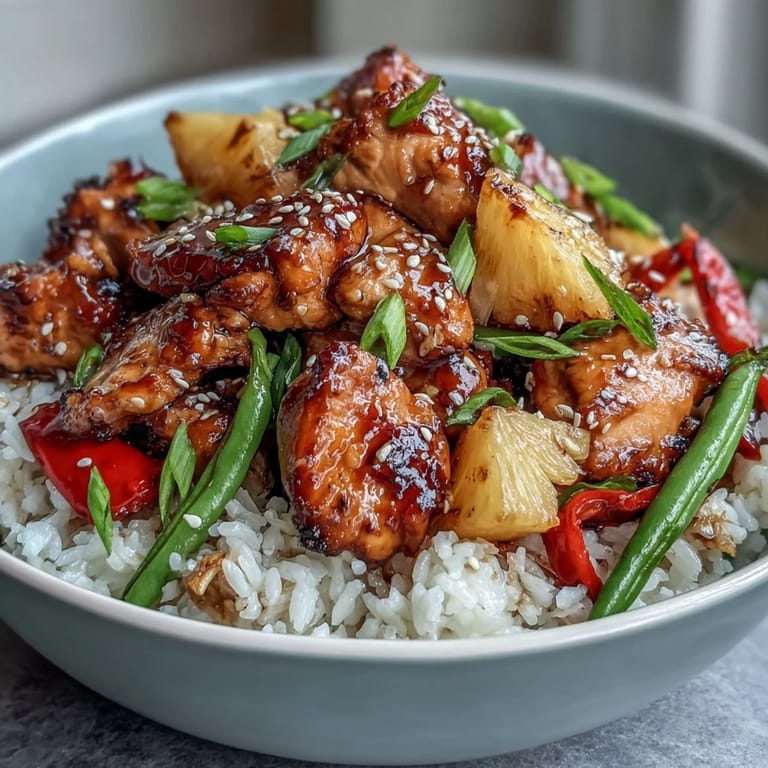
 Imagine the sweet aroma of caramelizing pineapple mingling with the savory depth of homemade teriyaki sauce, all coming together in a vibrant bowl that brings the flavors of the tropics straight to your table. These Pineapple Teriyaki Chicken Rice Bowls are a celebration of balance—tender, juicy chicken coated in a glossy glaze, crisp vegetables that add color and crunch, and golden pineapple chunks that burst with sweetness in every bite. This Asian-fusion dish transforms simple ingredients into a restaurant-quality meal that's surprisingly easy to prepare at home. Whether you're looking for a quick weeknight dinner or a dish that will impress guests, these rice bowls deliver on flavor, nutrition, and visual appeal.
Save to Pinterest The magic of this dish lies in its homemade teriyaki sauce, which combines the tropical sweetness of pineapple juice with the umami richness of soy sauce, creating a glaze that clings beautifully to every piece of chicken. Unlike store-bought versions laden with preservatives, this sauce comes together in minutes with pantry staples like brown sugar, honey, rice vinegar, and aromatic fresh ginger and garlic. The result is a sauce that's both complex and clean-tasting, elevating simple chicken thighs or breasts into something truly special. Paired with fluffy jasmine rice and a medley of crisp vegetables including red bell peppers and snap peas, each bowl offers layers of texture and flavor that keep every forkful interesting.
Ingredients
Tired of Takeout? 🥡
Get 10 meals you can make faster than delivery arrives. Seriously.
One email. No spam. Unsubscribe anytime.
- 500 g (1.1 lbs) boneless, skinless chicken thighs or breasts, cut into bite-sized pieces
- 1 tbsp vegetable oil
- Salt and pepper, to taste
- 80 ml (1/3 cup) soy sauce
- 80 ml (1/3 cup) pineapple juice
- 2 tbsp brown sugar
- 1 tbsp honey
- 1 tbsp rice vinegar
- 2 garlic cloves, minced
- 1 tsp fresh ginger, grated
- 1 tbsp cornstarch
- 2 tbsp cold water
- 240 g (1 1/4 cups) jasmine or short-grain white rice
- 480 ml (2 cups) water
- 1 medium red bell pepper, thinly sliced
- 150 g (1 cup) fresh pineapple, diced
- 100 g (1 cup) snap peas or snow peas, trimmed
- 2 spring onions, thinly sliced
- 1 tbsp sesame seeds
- Fresh cilantro leaves, for garnish (optional)
Instructions
- Step 1: Prepare the Rice
- Rinse the rice under cold water until the water runs clear. Combine rice and water in a saucepan, bring to a boil, then cover and simmer on low heat for 15 minutes. Remove from heat and let rest, covered, for 5 minutes. Fluff with a fork.
- Step 2: Cook the Chicken
- While the rice cooks, heat vegetable oil in a large skillet over medium-high heat. Season the chicken with salt and pepper, then sauté until golden and cooked through, 6–8 minutes. Remove chicken and set aside.
- Step 3: Stir-Fry the Vegetables
- In the same skillet, add bell pepper and snap peas. Stir-fry for 2–3 minutes until just tender but crisp. Remove and set aside with the chicken.
- Step 4: Make the Teriyaki Sauce
- For the teriyaki sauce, combine soy sauce, pineapple juice, brown sugar, honey, rice vinegar, garlic, and ginger in a small saucepan. Bring to a simmer over medium heat, stirring until sugar dissolves.
- Step 5: Thicken the Sauce
- Mix cornstarch with cold water to form a slurry. Stir this into the simmering sauce and cook, stirring, until thickened (about 1 minute).
- Step 6: Combine Everything
- Return chicken and vegetables to the skillet. Pour in the teriyaki sauce and toss to coat. Stir in the pineapple cubes and heat through for 2 minutes.
- Step 7: Assemble and Serve
- To serve, divide rice among bowls. Top with teriyaki chicken, vegetables, and pineapple. Garnish with spring onions, sesame seeds, and cilantro if desired.
Zusatztipps für die Zubereitung
For the best results, use chicken thighs instead of breasts—they remain juicier and more tender even if slightly overcooked. When preparing your mise en place, have all ingredients prepped and ready before you start cooking, as the stir-frying process moves quickly. If your teriyaki sauce becomes too thick, simply whisk in a tablespoon of water or pineapple juice to reach your desired consistency. Fresh pineapple is ideal for this recipe, but canned pineapple chunks (drained well) work in a pinch. For extra depth of flavor, marinate the chicken in a bit of soy sauce and ginger for 30 minutes before cooking. Use a large skillet or wok to ensure proper heat distribution and to avoid overcrowding, which can cause steaming rather than searing.
Varianten und Anpassungen
This recipe is wonderfully versatile and can be adapted to suit various dietary needs and preferences. For a vegetarian version, substitute firm tofu (pressed and cubed) for the chicken, or try tempeh for a nuttier flavor. Shrimp or salmon also work beautifully with the teriyaki glaze for a seafood twist. Add edamame or shredded carrots for extra color, crunch, and nutritional value. If you prefer more vegetables, consider adding broccoli florets, baby corn, or water chestnuts. For a spicier kick, add red pepper flakes or sriracha to the teriyaki sauce. Those following a gluten-free diet can use tamari or gluten-free soy sauce. Cauliflower rice makes an excellent low-carb alternative to jasmine rice, while brown rice or quinoa add more fiber and nutrients.
Serviervorschläge
These Pineapple Teriyaki Chicken Rice Bowls are a complete meal on their own, but there are several ways to enhance the dining experience. Serve alongside a simple cucumber salad dressed with rice vinegar and sesame oil to add refreshing contrast. A side of crispy vegetable spring rolls or edamame pods makes for excellent appetizers. For beverages, pair with a dry Riesling that complements the sweet-savory flavors, or opt for chilled green tea for a traditional touch. Iced jasmine tea or a light lager also work wonderfully. When serving family-style, arrange the components in separate bowls and let everyone build their own bowl to their preferences. Leftovers store well in the refrigerator for up to three days and can be reheated gently in a skillet or microwave, making this an excellent meal-prep option for busy weekdays.
 Save to Pinterest
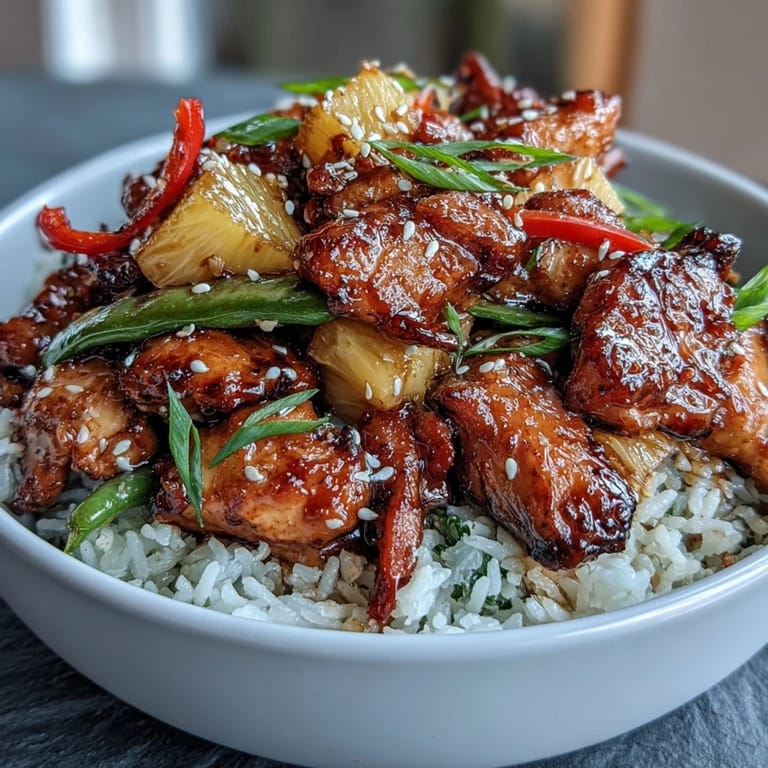
 With its harmonious blend of tropical sweetness and savory depth, these Pineapple Teriyaki Chicken Rice Bowls prove that restaurant-quality meals can be simple, satisfying, and made entirely at home. The homemade teriyaki sauce is the true star, transforming everyday ingredients into something memorable without relying on processed sauces or complicated techniques. Whether you're cooking for family, meal-prepping for the week, or looking to impress dinner guests, this dish delivers on every front—flavor, nutrition, and visual appeal. The combination of textures from tender chicken, crisp vegetables, and juicy pineapple creates a complete sensory experience that keeps you coming back for more. So gather your ingredients, heat up that skillet, and bring the vibrant flavors of this Asian-fusion favorite to your table tonight.
Recipe FAQs
- → What cut of chicken works best for this dish?
Boneless, skinless chicken thighs or breasts both work well, providing tender, juicy bites that soak up the sauce.
- → Can I substitute the pineapple juice in the sauce?
Yes, fresh pineapple juice is preferred for brightness, but you can use bottled juice or a combination of orange juice and a splash of vinegar for tang.
- → How can I make the sauce thicker?
Mix cornstarch with cold water to create a slurry and stir it into the simmering sauce, cooking until it thickens to a glaze consistency.
- → What rice type works best as a base?
Jasmine or short-grain white rice provides a fragrant, slightly sticky texture ideal for balancing the sauce and toppings.
- → Are there vegetarian alternatives to chicken for this dish?
Tofu can be used instead of chicken; press and cube firm tofu before cooking to achieve a similar texture and absorb flavors well.