 Save to Pinterest
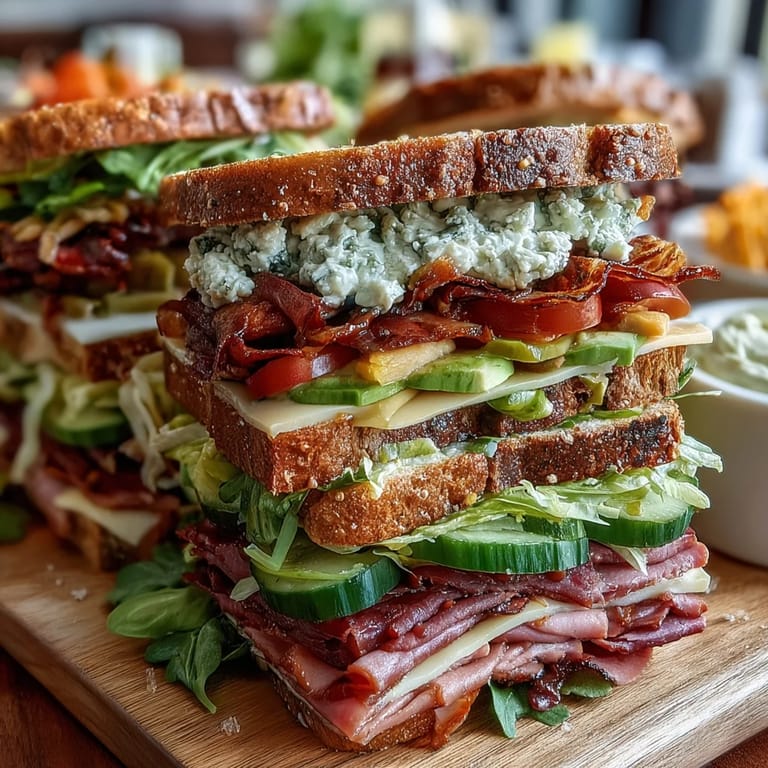
 Last summer, my neighbor texted asking if I could throw together something for a backyard gathering that afternoon. No time for cooking, she said, just good food and people. That's when it clicked—why not let everyone build their own sandwich? I raided my pantry and local deli, piled everything onto our biggest cutting board, and watched my friends lose themselves choosing layers like artists at a palette. What started as a practical solution became the most relaxed meal I'd hosted in years.
What I didn't expect was how my eight-year-old nephew carefully selected each ingredient, explaining his choices like he was narrating a cooking show. His best friend, who claims to hate vegetables, quietly stacked cucumber and lettuce on hers. Food tastes better when you choose it yourself, it turns out.
Ingredients
- Ciabatta rolls: Their sturdy crust keeps everything contained without falling apart, and they're fancy enough to feel special without requiring work.
- Whole grain and sourdough bread: Offer variety and texture—the sourdough's tang plays beautifully against rich meats.
- Smoked turkey, honey ham, and roast beef: Mix different smoke levels and flavors so each person finds their perfect combination.
- Salami: It's the wildcard that elevates everything and adds a salty, peppery note most people forget they loved.
- Swiss, cheddar, and provolone cheeses: Swiss melts into everything subtle; cheddar has character; provolone bridges the gap between sharp and mild.
- Fresh tomatoes and cucumbers: Slice thick enough that they don't slide around—thin slices are forgiving in a finished sandwich but look skimpy on a board.
- Red onion: Raw onion sounds aggressive until it hits cold turkey, then it becomes the reason someone goes back for seconds.
- Romaine lettuce and baby spinach: Romaine holds its shape; spinach adds richness without the bulk of full lettuce leaves.
- Avocado: Slice it last or it browns, but don't skip it—everyone reaches for it, even people who claim they don't like avocado.
- Dill pickles: The vinegar cuts through all the richness; honestly, these might be the most important ingredient here.
- Mayonnaise, Dijon mustard, hummus, pesto, and honey mustard: Give people options—mustard lovers, mayo devotees, and adventurous types all get heard.
- Black olives and banana pepper rings: These small additions become the details someone remembers about your board.
- Sun-dried tomatoes: They add concentrated flavor and unexpected texture that raises the whole experience.
Tired of Takeout? 🥡
Get 10 meals you can make faster than delivery arrives. Seriously.
One email. No spam. Unsubscribe anytime.
Instructions
- Arrange your breads as the foundation:
- Place all your rolls and bread slices on your largest board or platter, leaving room around the edges. This becomes the canvas—guests will layer everything onto these.
- Section off your deli meats and cheeses:
- Keep each meat and cheese type in its own space so people can spot what they want without confusion. I always put similar colors next to each other so the board looks intentional, not chaotic.
- Group your fresh vegetables nearby:
- Arrange tomatoes, cucumbers, lettuce, and spinach in small piles or bowls, depending on how formal you want this to feel. The vegetables should be easy to grab without feeling like a salad bar.
- Set out your pickles and extras:
- Use small bowls for olives, banana peppers, and sun-dried tomatoes, or scatter them on the board if you prefer a more organic look. Small things feel intentional in bowls; they feel casual piled directly on the board.
- Present your spreads in serving bowls:
- Give each spread its own small bowl with a dedicated spoon or knife—this prevents cross-contamination and makes spreading easier. Line them up in a way that feels natural rather than regimented.
- Invite people to build and serve immediately:
- This is the fun part—step back and watch the creativity unfold. If you're transporting this to a picnic, keep components cool until assembly, then let guests build on site so bread stays fresher.
 Save to Pinterest
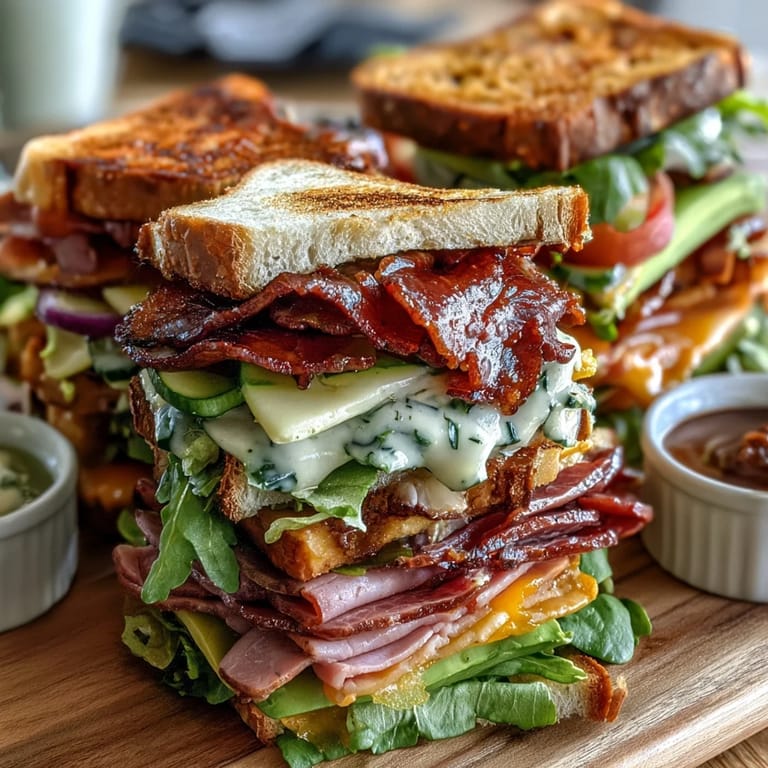
 My sister asked if this counted as cooking, and I said absolutely, just differently—cooking is about feeding people what makes them happy, and watching someone taste their own creation hits different than serving them a plate. She made one with almost every topping available and ate three bites before calling it perfect.
Making This Work for Any Crowd
I learned quickly that a deli board is democratic in the best way. Your vegetarian friend isn't watching while others eat; she's building something equally satisfying with hummus, pesto, fresh vegetables, and maybe some crispy salami for smoke flavor. Your gluten-free cousin grabs gluten-free bread without feeling like an afterthought. The person who only eats plain turkey and Swiss gets exactly that, without judgment.
Timing and Transport
Assembling everything takes maybe twenty minutes if you're chatting while you work, which you usually are. The real magic happens when you realize nothing here requires cooking, so you can breathe. I once prepped everything at home and transported it in containers, then reassembled on a borrowed board at a park—it looked like I'd spent hours preparing when really I'd spent that time with my kids instead of hovering over a stove.
Taking This Beyond the Basics
I've started experimenting with seasonal variations and different flavor directions. Winter calls for roasted red peppers and caramelized onions; summer means fresh basil and heirloom tomatoes. Once, I added crispy bacon and a maple mustard because I was in a mood, and it became someone's new favorite thing. The board format makes it easy to swap ingredients based on what's good that week or what you're feeling.
- Buy one or two of everything rather than large quantities—people use less when they're building their own plate, and you'll have fewer leftovers.
- Keep wet ingredients like pickles in their own bowls so they don't make the bread soggy while sitting.
- Set out small plates or napkins nearby because sandwich building is messier than eating one someone else made, and that's part of the charm.
 Save to Pinterest
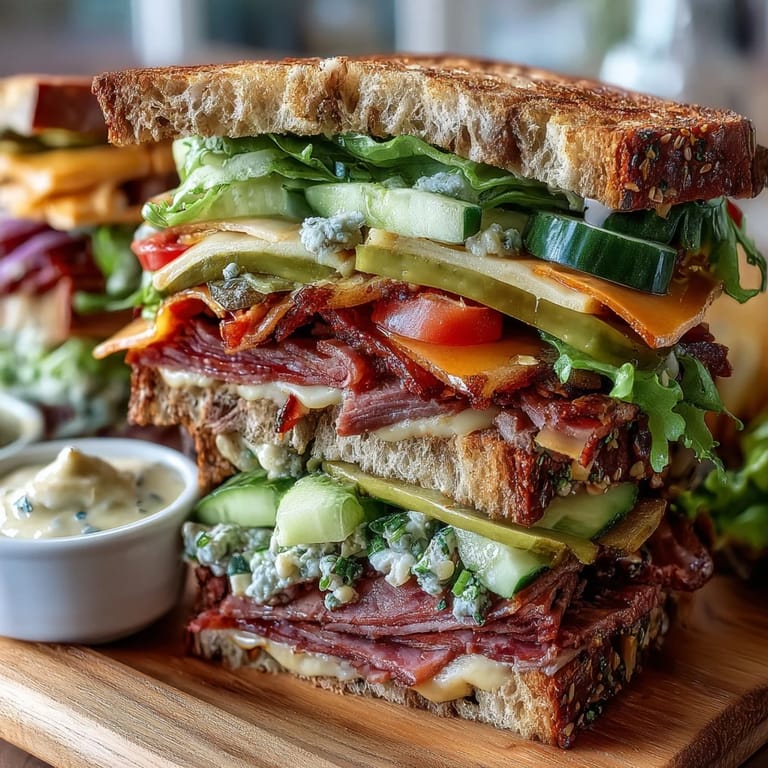
 A deli board taught me that sometimes the best meals are the ones where you step back and let people feed themselves. It's generous without being fussy, impressive without being stressful, and somehow it always tastes better when someone else builds it.
Recipe FAQs
- → What breads work best for this board?
Ciabatta rolls, whole grain sandwich rolls, and sourdough slices provide texture and flavor variety ideal for layering meats and cheeses.
- → How should deli meats be prepared?
Use thinly sliced smoked turkey, honey ham, roast beef, and salami for easy layering and easy bites on the board.
- → Can I include vegetarian options?
Yes, add grilled vegetables, sliced hard-boiled eggs, or plant-based deli slices alongside the fresh vegetables and spreads.
- → How should spreads be served?
Place mayonnaise, Dijon mustard, hummus, pesto, and honey mustard in small bowls with spoons to allow personalized spreading.
- → What are some good extras to include?
Black olives, banana pepper rings, and sun-dried tomatoes add bursts of flavor and complement the savory elements beautifully.
- → How to store the board components before serving?
Keep ingredients covered and refrigerated until ready to assemble to maintain freshness, especially for outdoor settings.