 Save to Pinterest
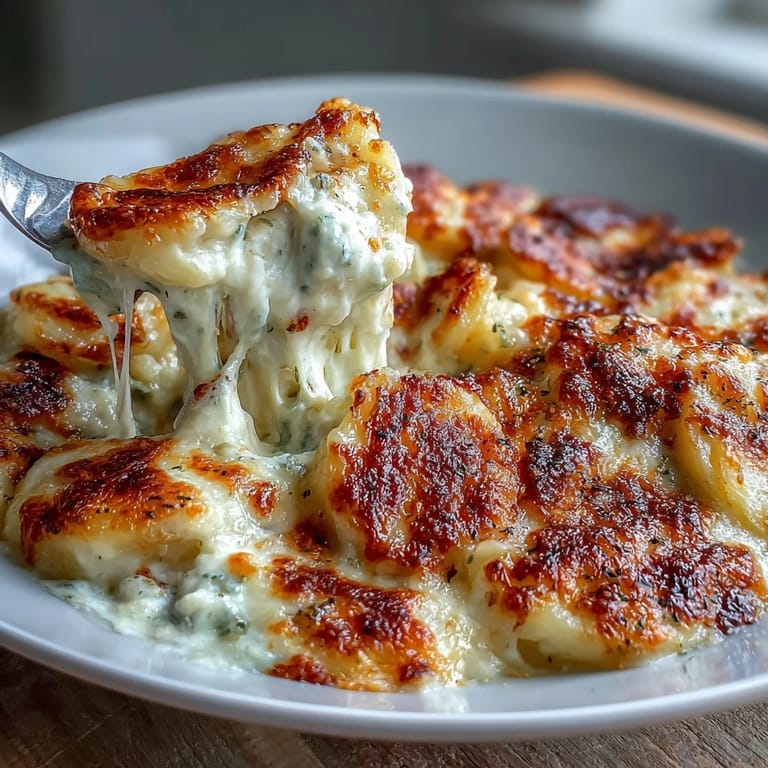
 My sister called me in a panic the night before Thanksgiving, asking if I could bring a side dish that would actually disappear from the table. I'd made scalloped potatoes exactly once before, years ago, and remembered them being unremarkable—watery, bland, the kind of dish people politely pushed around their plate. But something about her desperation made me want to try again, and this time I decided to be generous with the cheese and actually taste as I went. The result was nothing short of revelatory: creamy, deeply savory layers that somehow stayed together, with a golden crust that crackled when you broke through it. Now I make these constantly, and they're the first thing people ask about.
I served this at a small dinner party last spring when an old friend was visiting, and I watched her take a second helping without asking what was in it. When I mentioned it was basically just potatoes, cheese, and milk, she didn't believe me—she kept insisting there was something else, some secret ingredient that made it taste so rich. The truth is, there isn't one; it's just about respecting the ingredients enough to cook them properly and not being afraid of cheese.
Ingredients
- Yukon Gold or Russet potatoes (2 lbs, peeled and thinly sliced): Use a mandoline if you have one—it keeps the slices uniform so they cook evenly, and uniform cooking is everything here.
- Yellow onion (1 medium, thinly sliced): The onions add a subtle sweetness that balances the richness of the cheese and keeps the whole dish from feeling one-note.
- Sharp cheddar cheese (2 cups, shredded): Don't use the pre-shredded kind from a bag if you can help it; the coating prevents it from melting smoothly, and you'll taste the difference.
- Mozzarella cheese (1 cup, shredded): This stretches the cheddar and makes the texture creamy rather than dense, which is the difference between great and mediocre scalloped potatoes.
- Whole milk (2 cups): Half-and-half would be richer, but whole milk is forgiving and still delivers plenty of creaminess.
- Unsalted butter (2 tbsp): Unsalted lets you control the salt level so the dish doesn't end up overseasoned.
- All-purpose flour (2 tbsp): This thickens the sauce into something that coats the potatoes instead of pooling at the bottom, and it's crucial.
- Salt (1 tsp), black pepper (½ tsp), garlic powder (½ tsp), paprika (¼ tsp): These are restrained amounts because the cheese brings plenty of its own saltiness; taste as you go and adjust if needed.
Tired of Takeout? 🥡
Get 10 meals you can make faster than delivery arrives. Seriously.
One email. No spam. Unsubscribe anytime.
Instructions
- Set up your space:
- Preheat the oven to 375°F and grease a 9x13-inch baking dish with butter so nothing sticks. This gives the oven time to reach temperature while you work.
- Make the roux:
- Melt the butter in a medium saucepan over medium heat, then sprinkle in the flour and whisk for about a minute until it smells toasted and nutty. You're cooking out the raw flour taste so the sauce doesn't have that chalky quality.
- Create the sauce:
- Pour the milk in slowly while whisking constantly—this is the only way to avoid lumps, and I learned this the hard way after making a lumpy version that I had to strain through cheesecloth. Keep whisking until the sauce thickens slightly, which takes about 3 to 4 minutes and will look like thin gravy.
- Season and melt:
- Remove from heat and stir in the salt, pepper, garlic powder, and half of both cheeses, stirring until everything is melted and smooth. Taste it now—this is your chance to adjust seasoning before it goes into the dish.
- Layer with intention:
- Spread half the potato slices on the bottom of your prepared dish, then scatter half the onion slices over them, then pour half the cheese sauce over that. Repeat with the remaining potatoes, onions, and sauce, making sure the top layer is sauce so the potatoes on top stay creamy.
- Top and cover:
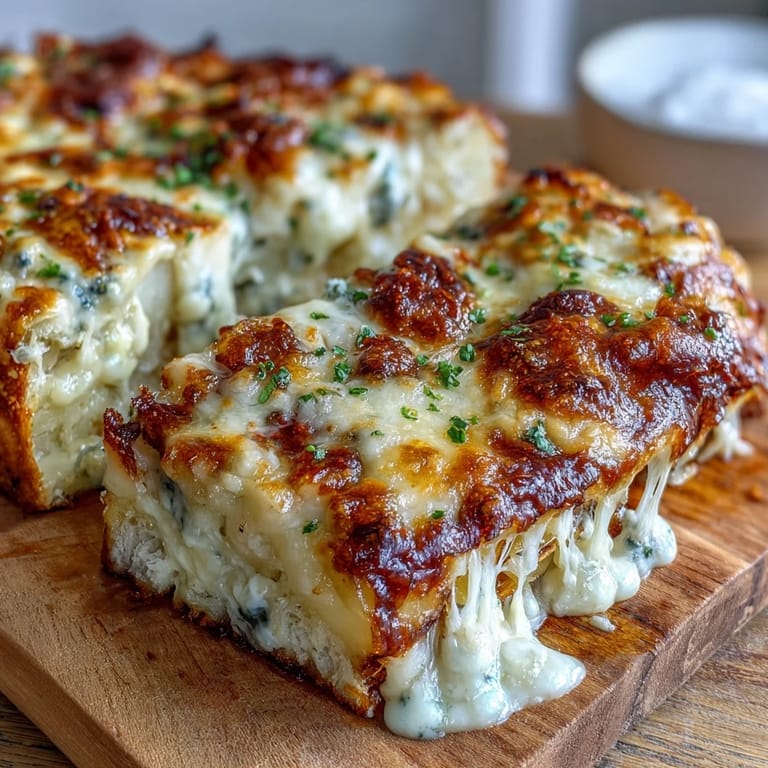
- Sprinkle the remaining shredded cheeses over the top and dust with paprika for color and a hint of smokiness. Cover the whole dish with foil so it steams rather than dries out during the first part of baking.
- Bake covered, then uncover:
- Bake covered for 40 minutes until the potatoes are almost tender when you poke them with a fork. Remove the foil and bake another 25 to 30 minutes until the top is golden brown and the edges are bubbling slightly.
- Rest before serving:
- Let it sit for 10 minutes so the layers settle and hold together when you scoop, which also makes it safer to serve and gives you time to finish everything else on the table.
 Save to Pinterest
 A few years ago, my neighbor brought over a version of this after I had knee surgery, and I remember sitting on my couch with a bowl of it and actually feeling comforted in a way that doesn't usually happen with food. It's not flashy or complicated, but there's something about potatoes, cheese, and cream that feels like someone is taking care of you.
The Magic of the Roux
The roux—that mixture of butter and flour—is the skeleton of this entire dish, and it's worth understanding because it changes everything. When you cook the flour in the butter for a minute, you're not just eliminating the raw grain taste; you're also creating a thickening agent that will turn that milk into something with actual body. I spent years making sauces that were either too thick or too thin because I didn't respect this step, but once you feel what a properly cooked roux should smell like—warm, slightly nutty, definitely not burnt—you'll never make a lumpy sauce again.
Timing and Texture
The two-stage baking method—covered first, then uncovered—is what separates these from either gluey potatoes in watery sauce or dried-out potatoes with a crusty top. The foil traps steam so the potatoes cook gently and absorb the cream without drying out, and then removing the foil at the end lets the top brown and crisp. I made the mistake once of baking the whole thing uncovered and ended up with potato chips on top and undercooked potato chunks below, so trust the process here.
Cheese Choices and Flexibility
Sharp cheddar and mozzarella is my go-to combination because the cheddar brings flavor and the mozzarella brings stretch and creaminess, but these potatoes are flexible enough to handle other cheeses if you want to play around. Gruyère is wonderful if you want something more sophisticated, or you could try a mix of white cheddar and smoked gouda, or even half the cheddar and add some fontina. The only rule is to use cheeses that actually melt—avoid anything too hard or waxy, and always shred fresh because pre-shredded has anti-caking agents that ruin the texture. You could also add a tiny pinch of nutmeg to the sauce or stir in some fresh thyme at the very end if you want to make it feel a little more refined without much extra work.
- If you're making this a day ahead, cover it tightly and bake straight from the refrigerator, adding 10 to 15 minutes to the covered baking time.
- Leftovers reheat beautifully in a low oven covered with foil, or you can eat them cold the next day if you're the type who does that.
- A simple green salad with sharp vinaigrette is the only thing these potatoes need alongside them to feel complete.
 Save to Pinterest
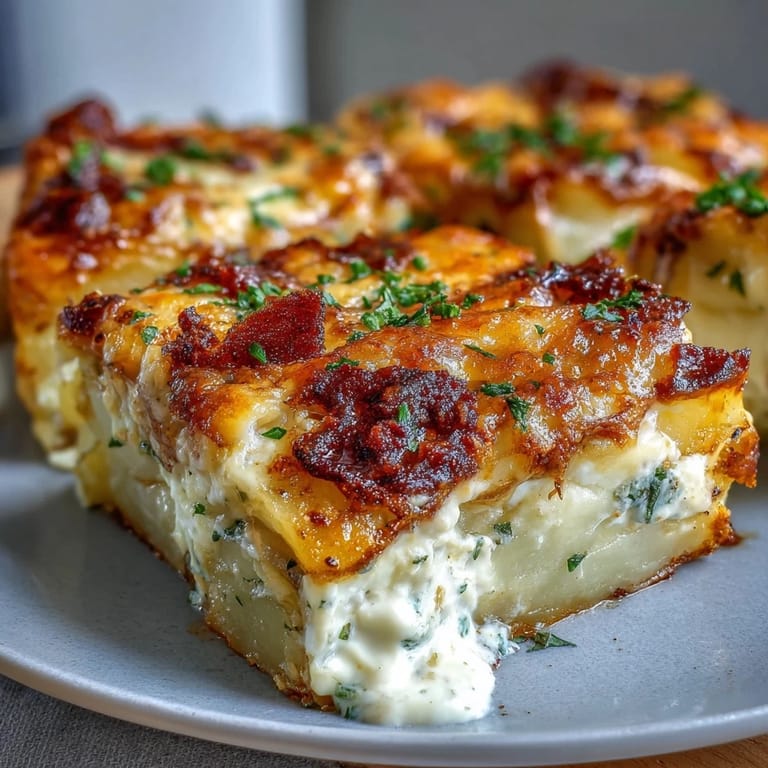
 These scalloped potatoes have become my answer to the question of what to bring when someone needs comfort food or a side dish that disappears. They're the kind of dish that feels like it took effort but lets you relax because it's really just layers of ingredients doing what they're supposed to do.
Recipe FAQs
- → What types of potatoes work best?
Yukon Gold or Russet potatoes are ideal for their texture and ability to absorb flavors well.
- → How is the cheese sauce prepared?
A roux is made by melting butter and whisking in flour, then milk is added and cooked until thickened. Cheddar and mozzarella are stirred in until smooth.
- → Can I add other seasonings?
Yes, a pinch of nutmeg or fresh herbs can be added to the sauce for extra flavor.
- → Should the dish be covered while baking?
Cover the dish with foil for the first 40 minutes, then uncover to brown the top during the last 25-30 minutes.
- → Is it possible to prepare in advance?
Yes, the dish can be assembled several hours ahead and baked just before serving.