 Save to Pinterest
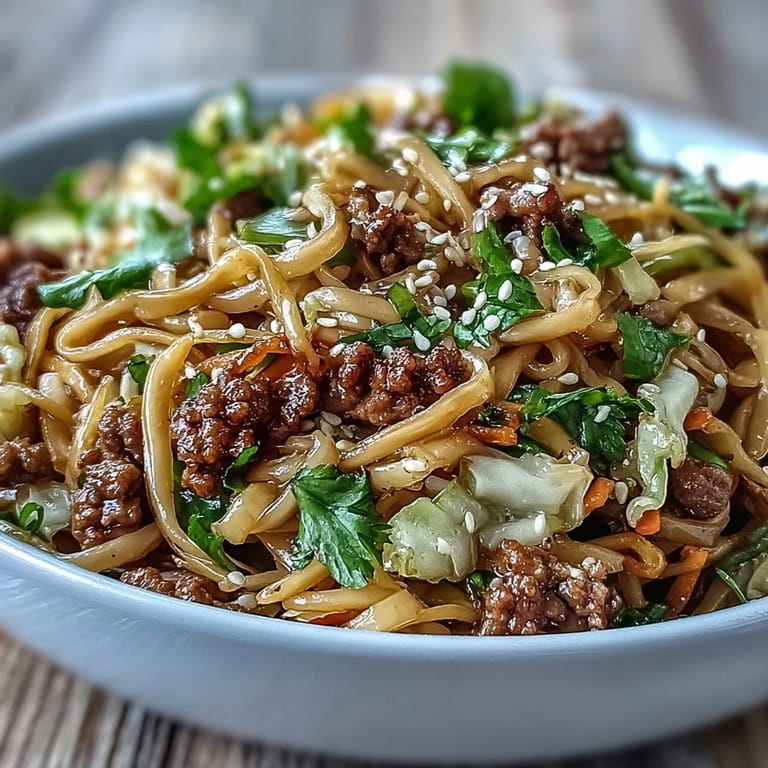
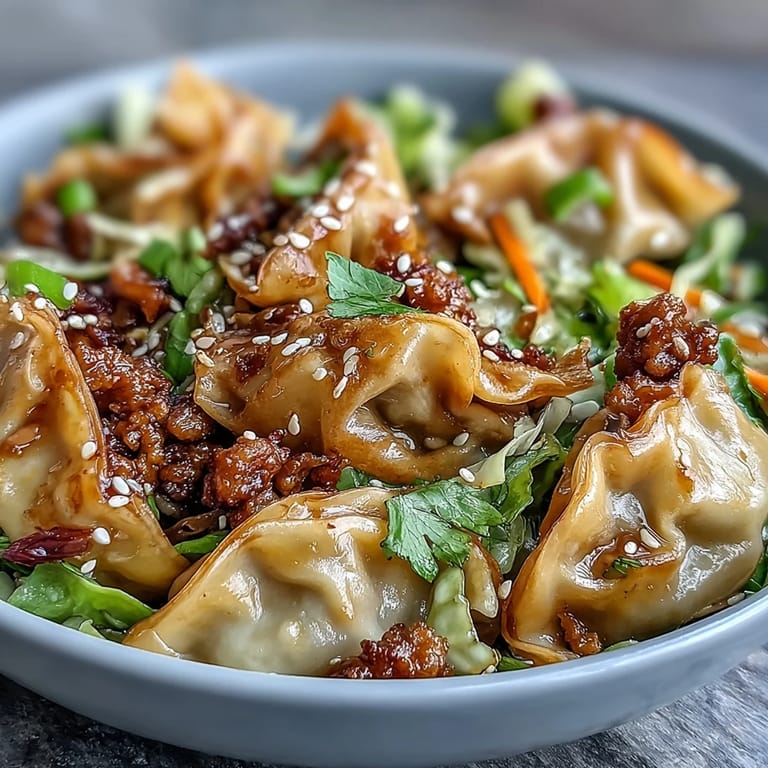
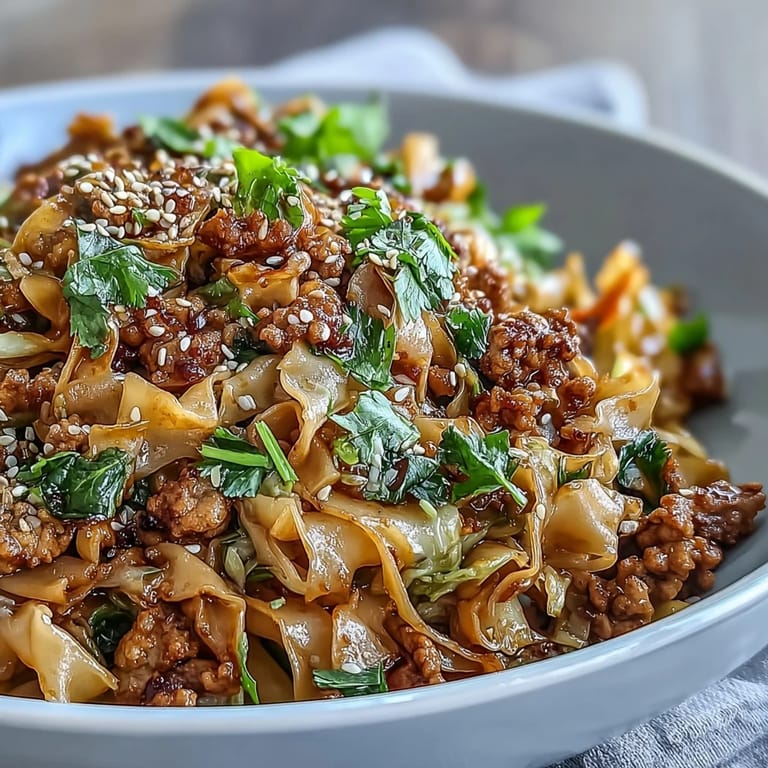
 One weeknight last spring, I stood at the stove craving dumplings but without the patience to fold them. I had rice noodles, ground pork, and a jar of chili-garlic sauce staring back at me. What started as lazy improvisation turned into something my family now requests more than the actual dumplings. The browned, caramelized pork tastes exactly like the filling I usually wrap, and the glossy, tangy sauce clings to every strand of noodle.
The first time I made this for my kids, they didn't even notice it wasn't dumplings until halfway through dinner. My youngest kept scooping up noodles and asking why they tasted like the crispy bottoms of potstickers. I realized then that I'd accidentally captured the exact flavor profile we all loved, but in a format that let me get dinner on the table in under 40 minutes. Now it's our go-to when we want comfort food without the fuss.
Ingredients
- Rice noodles: They soak up the sauce beautifully and stay tender without getting mushy, plus they cook in just a few minutes.
- Ground pork: The fat renders into the pan and creates those irresistible caramelized edges that mimic the crispy bottom of a potsticker.
- Soy sauce: Use low-sodium so you can control the saltiness, especially since the oyster sauce and sesame oil add their own depth.
- Toasted sesame oil: A little goes a long way and adds that nutty, roasted aroma that makes the whole dish smell like a dumpling house.
- Chili-garlic sauce: This brings the heat and a punch of garlic that ties everything together, adjust it to your comfort level.
- Oyster sauce: It adds a subtle sweetness and umami that rounds out the sauce, hoisin works too if you want a sweeter profile.
- Fresh ginger and garlic: These aromatics are non-negotiable, they perfume the entire skillet and give the dish its soul.
- Green cabbage and carrots: They add crunch, color, and a slight sweetness that balances the savory meat and sauce.
- Shiitake mushrooms: They soak up the sauce and add an earthy, meaty texture that makes the bowl feel more substantial.
- Green onions and cilantro: Fresh, bright, and essential for cutting through the richness with a pop of color and flavor.
Tired of Takeout? 🥡
Get 10 meals you can make faster than delivery arrives. Seriously.
One email. No spam. Unsubscribe anytime.
Instructions
- Prepare the noodles:
- Boil the noodles until just tender, then drain and rinse them quickly under cold water to stop the cooking. Toss them with a few drops of oil so they don't clump into a sticky mass while you cook everything else.
- Season the meat:
- Mix the ground pork with soy sauce, sesame oil, cornstarch, white pepper, sugar, and salt until it feels slightly sticky and cohesive. This step mimics the dumpling filling and helps the meat hold together and brown beautifully in the pan.
- Make the sauce:
- Whisk together soy sauce, rice vinegar, oyster sauce, chili-garlic sauce, sesame oil, brown sugar, and chicken broth until the sugar dissolves. Taste it now and adjust the heat or sweetness before it hits the pan.
- Prepare the vegetables:
- Shred your cabbage and carrots, slice the mushrooms thin, and separate the white and green parts of the green onions. Having everything prepped and ready makes the stir-fry feel effortless and keeps you from scrambling at the stove.
- Brown the meat:
- Heat the oil until it shimmers, then add the seasoned pork in an even layer and resist the urge to stir for 2 to 3 minutes. Those crispy, golden edges are what make this dish taste like potstickers, so let the meat sit and sizzle undisturbed before breaking it up.
- Add aromatics:
- Push the meat to one side, add a little more oil, then toss in the garlic, ginger, and white parts of the green onions. Stir them for 30 to 60 seconds until they smell incredible and have just started to soften.
- Cook vegetables:
- Add the mushrooms first and let them soften for a couple of minutes, then toss in the cabbage and carrots. Stir-fry everything until the cabbage wilts but still has a little bite, adding a splash of water if the pan looks dry.
- Combine with sauce:
- Pour the prepared sauce over the meat and vegetables and toss everything together until every piece is coated. Let it simmer for a minute or two so the sauce thickens slightly and clings to the ingredients.
- Add noodles:
- Toss the cooked noodles into the skillet and mix gently but thoroughly, adding a splash of water or broth if things look too dry. If you're using bean sprouts, toss them in during the last minute so they stay crisp and fresh.
- Finish and serve:
- Taste and adjust with extra soy sauce, chili-garlic sauce, or a squeeze of lime if needed. Stir in half the green onion tops, then divide the noodles between bowls and garnish with the rest of the green onions, cilantro, and sesame seeds.
 Save to Pinterest
 Last month, I made this for a friend who was recovering from a cold. She told me later that the ginger and garlic cleared her sinuses, and the warmth of the bowl made her feel like someone was taking care of her. That's when I realized this dish isn't just fast or tasty, it's comforting in a way that feels personal. It's the kind of food that wraps around you like a hug, especially when you need it most.
Choosing Your Protein
Ground pork is traditional and gives you the richest, most dumpling-like flavor, but ground chicken or turkey work beautifully if you want something lighter. I've even used plant-based ground meat for a vegetarian version, and as long as you season it well and let it brown in the pan, it still delivers that savory, satisfying bite. The key is not to overcrowd the skillet, give the meat space to crisp up instead of steaming in its own moisture. If you're using a leaner protein like chicken or turkey, add an extra teaspoon of oil to the pan to help those caramelized edges develop.
Customizing the Vegetables
The vegetables in this recipe are flexible, so use what you have or what looks good at the market. Napa cabbage, baby bok choy, or finely chopped kale can replace green cabbage, and snap peas or bell peppers add a sweet crunch if you're out of carrots. I've tossed in leftover roasted broccoli and it worked perfectly. The goal is to keep a mix of textures, something crisp, something tender, and something that soaks up the sauce. Just remember to add delicate greens like spinach or bean sprouts at the very end so they don't wilt into mush.
Making It Your Own
This recipe is a template, not a rulebook. If you want it spicier, double the chili-garlic sauce or add a drizzle of chili oil at the end. For a richer bowl, top each serving with a soft-boiled or fried egg, the runny yolk mixes into the sauce and makes everything even more luscious. If you're gluten-free, swap in tamari and gluten-free oyster sauce, and stick with rice noodles. Leftovers keep well in the fridge for up to three days, just reheat them gently with a splash of water or broth to bring the sauce back to life.
- Add a soft-boiled or fried egg on top for extra richness and a creamy, golden yolk that melts into the noodles.
- Swap hoisin sauce for oyster sauce if you prefer a sweeter, more barbecue-like flavor profile.
- Keep a bottle of chili oil or extra chili-garlic sauce on the table so everyone can adjust the heat to their liking.
 Save to Pinterest
 This bowl has become my weeknight shortcut to something that feels special without the stress. Every time I make it, I'm reminded that the best recipes are the ones that adapt to your life, not the other way around.
Recipe FAQs
- → Can I use different noodles?
Rice noodles, lo mein, udon, or even spaghetti work well. Rice noodles stay authentic to the Asian-inspired profile, but wheat-based noodles hold up nicely too. Just adjust cooking time accordingly.
- → Is the sauce spicy?
The chili-garlic sauce adds moderate heat. Start with one teaspoon and adjust to your preference. You can also substitute sriracha or omit for a mild version—the flavor remains balanced without it.
- → Can I make this gluten-free?
Absolutely. Use gluten-free tamari instead of soy sauce, rice noodles, and verify your oyster sauce is gluten-free. The flavors and texture remain excellent with these substitutions.
- → How do I store leftovers?
Refrigerate in an airtight container for up to 3 days. Reheat with a splash of water or broth to loosen the noodles and sauce. The flavors often develop even more after resting.
- → Can I substitute the meat?
Ground chicken, turkey, beef, or plant-based crumbles all work beautifully. Season the same way and cook until browned. The sauce pairs well with any protein you choose.