 Save to Pinterest
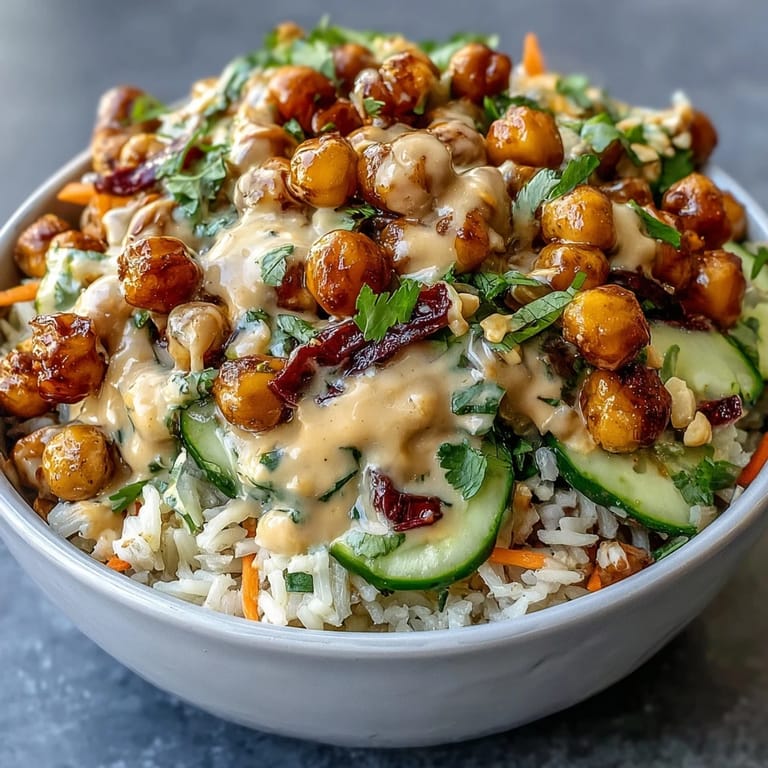
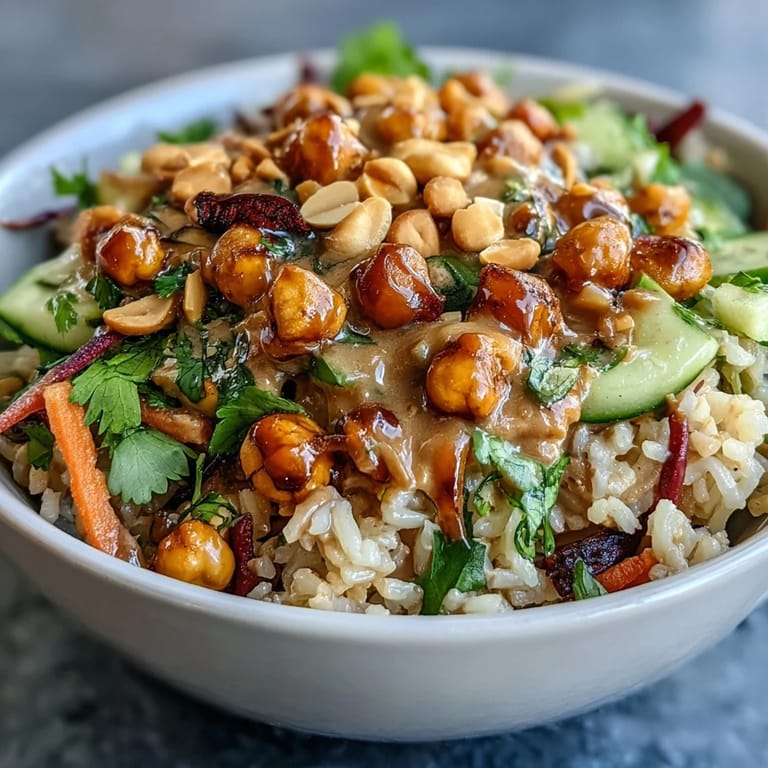
 My friend texted me a photo of a bowl she'd ordered at a trendy spot downtown, and I became oddly obsessed with recreating it at home. The colors alone captivated me—golden rice, crimson cabbage, bright orange carrots—all held together by this glossy peanut sauce that seemed to promise comfort and nourishment in equal measure. I started experimenting one weeknight when I had almost nothing in the pantry except brown rice, a can of chickpeas, and a jar of peanut butter, and somehow that limitation led to the perfect bowl. Now I make it constantly, often doubling the dressing because no amount ever feels like enough.
I served this to my coworker Sarah who'd recently gone vegan, and watching her face light up when she tasted that first bite reminded me that plant-based eating doesn't mean deprivation. She actually asked for the recipe right then and there, before she'd even finished her bowl, which felt like the highest compliment.
Ingredients
- Brown rice: The sturdy base that absorbs the dressing beautifully and keeps you satisfied for hours; rinsing it first removes excess starch and helps each grain stay separate.
- Cooked chickpeas: Canned works perfectly fine, but rinsing them removes sodium and any tinny flavor you might notice otherwise.
- Roasted unsalted peanuts: The unsalted variety lets the dressing shine without making everything salty, and they add crucial crunch that transforms the texture.
- Shredded carrot: Raw and sweet, it stays crisp and adds natural color plus a subtle earthiness that balances the richness of the peanut sauce.
- Red cabbage: More than just pretty; this stuff is crunchy, slightly peppery, and holds up beautifully whether you eat the bowl immediately or save it for later.
- Cucumber: Keeps everything fresh and cool, especially if you're serving these bowls on a warm day or eating one as a chilled meal.
- Scallions: A small amount of sharp onion flavor that wakes up the whole dish without overpowering anything.
- Fresh cilantro: Optional but worth it if you have it; it adds brightness and an herbaceous note that feels special.
- Creamy peanut butter: The foundation of the dressing; using creamy rather than chunky gives you that silky coating, though chunky works if that's what you prefer.
- Soy sauce: Brings umami depth and saltiness that rounds out the sweetness from the maple syrup; swap for tamari if you need gluten-free.
- Maple syrup: A touch of sweetness that balances the salt and vinegar, creating that restaurant-quality complexity.
- Rice vinegar: Adds brightness and tang; lime juice works just as well if that's easier.
- Sesame oil: A little goes a long way here, adding nutty richness that makes people wonder what your secret ingredient is.
- Fresh ginger: Grated ginger brings warmth and a subtle spice that you don't necessarily taste as distinct but absolutely feel in the overall flavor.
- Garlic: One small clove minced fine dissolves into the dressing and amplifies all the other flavors without making anything taste garlicky.
- Chili flakes: Optional but highly recommended; even a pinch adds a gentle heat that makes every bite slightly more interesting.
Tired of Takeout? 🥡
Get 10 meals you can make faster than delivery arrives. Seriously.
One email. No spam. Unsubscribe anytime.
Instructions
- Rinse and start the rice:
- Run the brown rice under cold water in a fine mesh strainer, swirling it gently until the water runs mostly clear; this removes excess starch that would otherwise make the grains stick together. Combine the rinsed rice with water and salt in a medium saucepan, bring it to a rolling boil, then immediately drop the heat to low, cover tightly, and let it simmer untouched for 30 to 35 minutes.
- Whisk the dressing:
- While the rice cooks, combine peanut butter, soy sauce, maple syrup, rice vinegar, sesame oil, ginger, garlic, and a pinch of chili flakes in a small bowl. Whisk vigorously until everything is incorporated, then add warm water one tablespoon at a time, whisking between additions, until you reach a pourable consistency that's thick but flows easily.
- Prepare the vegetables:
- Use a grater or shredder for the carrot and cabbage to ensure they're thin and uniform, which helps them soften slightly and absorb the dressing. Slice the cucumber into thin halfmoons, thinly slice the scallions separating white and green parts, and roughly chop the cilantro if you're using it.
- Finish the rice and assemble:
- When the rice timer goes off, let it sit covered for 5 minutes to finish steaming, then fluff it gently with a fork. Divide the rice among four bowls, then arrange the chickpeas, peanuts, carrot, cabbage, cucumber, and scallions on top of each.
- Dress and serve:
- Drizzle the peanut dressing generously over each bowl, top with cilantro and extra peanuts if desired, and serve immediately while everything is still fresh. You can also refrigerate assembled bowls and serve them cold, which actually intensifies all the flavors.
 Save to Pinterest
 My partner mentioned this bowl had become his go-to lunch, and I realized it had quietly become the dish people ask me to make when they visit. There's something about a bowl that feels both intentional and effortless, nourishing and indulgent, that makes people feel genuinely cared for.
The Beauty of a Build-Your-Own Bowl
One evening while prepping vegetables, I thought about how this bowl works as a blank canvas; the structure stays the same, but you can swap almost any component based on what's in your fridge or what you're craving. I've made it with roasted sweet potato instead of chickpeas, with shredded daikon radish instead of cucumber, even with cashew butter when I ran out of peanut butter. The magic isn't in strict adherence to the ingredients but in understanding the balance: a grain base, a protein, crunch, freshness, and a sauce that ties everything together.
Making the Dressing Your Own
The peanut dressing is genuinely versatile, and I've learned this through happy accidents and deliberate tweaks. Someone once asked if she could use almond butter instead of peanut, and yes, absolutely, though you might want to add a touch more sesame oil since almond butter is slightly less rich. I've added a teaspoon of sriracha, a tablespoon of coconut milk, even a squeeze of orange juice, and each version felt like the best one at the time. The backbone is always the same: nut butter, salty-sweet balance, acid, and fat, so once you understand those components, you can confidently make it your own.
Storage and Make-Ahead Magic
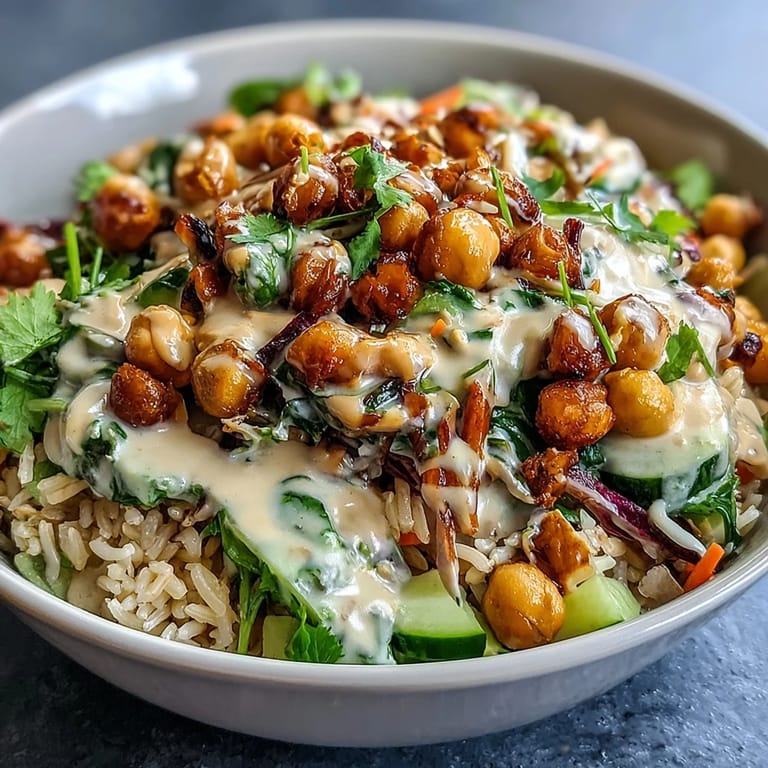
This bowl actually improves when you make it a day or two ahead, something I discovered by accident when I prepped ingredients on Sunday and assembled bowls on Wednesday. The vegetables soften slightly and absorb flavors, while the dressing coats everything more evenly as it sits.
- Store each component separately if you're planning to eat the bowls over several days, assembling them just before you want to eat so vegetables stay at their crunchiest.
- The dressing keeps refrigerated for almost a week, and reheats beautifully with a splash of warm water if it thickens.
- Brown rice actually gets firmer in the fridge, which some people prefer, so don't hesitate to make extra rice earlier in the week.
 Save to Pinterest
 There's real comfort in knowing you have the ingredients for this bowl on hand, and even more comfort in how consistently it delivers a meal that feels special no matter how many times you've made it. It's become my answer to the question of what to eat when you want something nourishing, exciting, and completely within reach.
Recipe FAQs
- → Can I make this bowl gluten-free?
Yes, simply substitute regular soy sauce with tamari or certified gluten-free soy sauce in the peanut dressing. All other ingredients naturally contain no gluten.
- → How long does this keep in the refrigerator?
Stored in airtight containers, the assembled bowl stays fresh for 3-4 days. Keep the dressing separate and add just before serving to maintain the best texture and flavor.
- → What other vegetables work well in this bowl?
Bell peppers, edamame, shredded Brussels sprouts, snap peas, or roasted sweet potatoes all complement the peanut flavors beautifully. Choose whatever seasonal vegetables you enjoy.
- → Can I use other nut butters instead of peanut?
Almond butter or cashew butter work as excellent substitutes. Keep in mind the flavor profile will shift slightly, but the creamy texture and protein content remain similar.
- → Is this suitable for meal prep?
Absolutely. Cook the rice and chickpeas in bulk, chop vegetables ahead, and store components separately. The dressing can be made in advance and keeps for up to a week refrigerated.
- → How can I add more protein?
Include edamame, grilled tofu strips, or baked tempeh alongside the chickpeas. A soft-boiled egg or shredded chicken also pairs nicely if you eat animal products.